

Why Recliners Break — And What Can Actually Be Repaired
Recliners are one of the most heavily used pieces of furniture in any home, making wear and mechanical failure inevitable over time. From broken recliner handles and faulty power motors to sagging cushions and damaged mechanisms, many common recliner problems are more repairable than homeowners realize. Learn what causes recliners to fail, which issues can often be fixed professionally, and when repair may be more cost-effective than replacement.
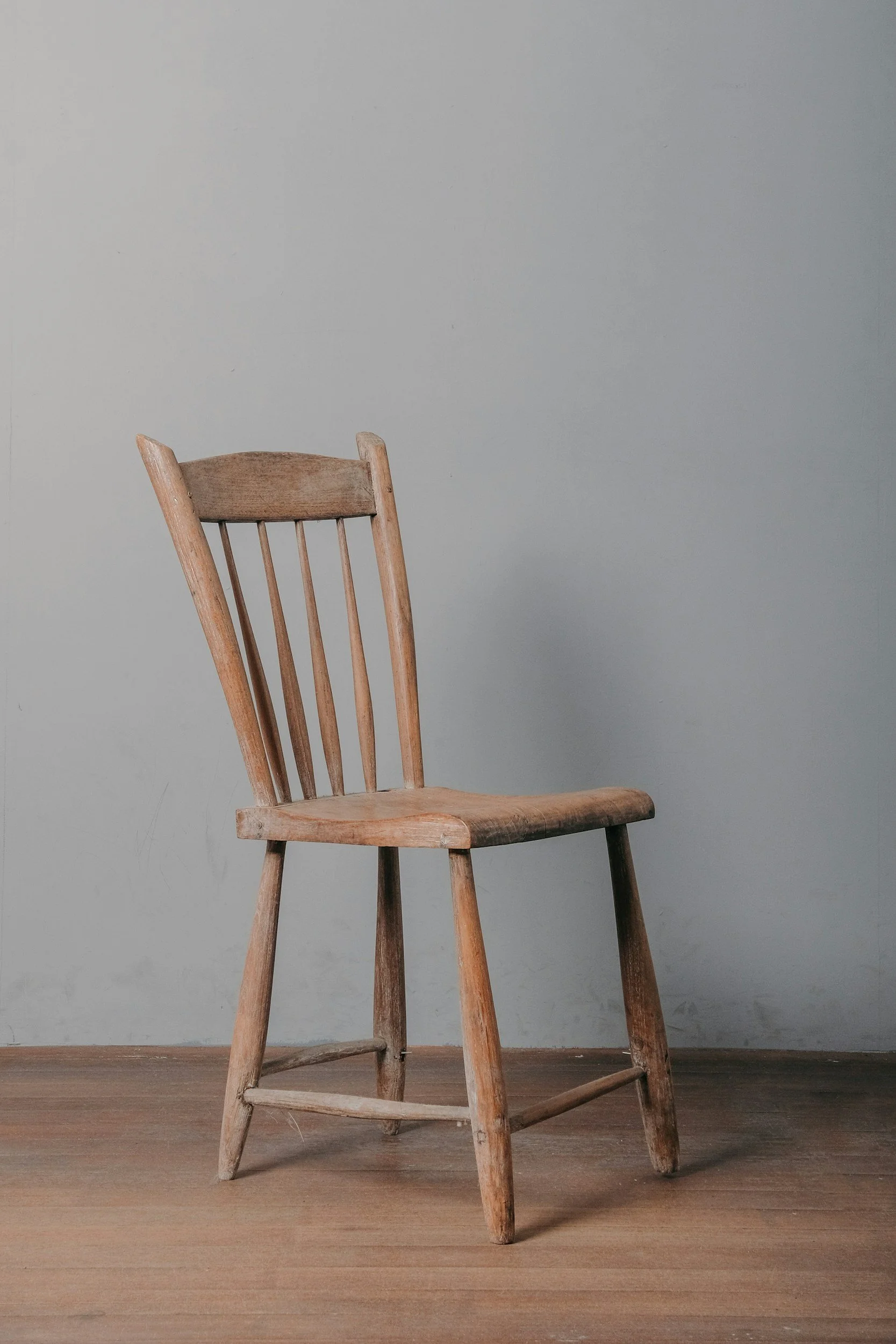
North Carolina: The Furniture Capital of the World — And Why Preserving Furniture Still Matters Today
For generations, North Carolina has been known as the furniture capital of the world, built on a legacy of craftsmanship, durability, and quality manufacturing. This article explores North Carolina’s historic role in the furniture industry and why preserving well-built furniture through professional repair and restoration still matters in today’s disposable consumer culture.

Can You Repair Your Own Leather Couch? A Complete Homeowner’s Guide
Wondering if your leather couch or chair can be repaired instead of replaced? This complete guide explains common leather furniture problems, safe DIY leather repair techniques, recommended products, and when it’s time to call a professional furniture repair specialist. Learn how to protect and extend the life of your leather furniture while avoiding common repair mistakes.

Is Your Leather Couch Real Leather, Bonded Leather, or Vinyl?
Not all “leather” furniture is made the same. Understanding the difference between genuine leather, bonded leather, and vinyl can help homeowners make smarter decisions about maintenance, repair, and replacement. Learn how to identify your furniture material, why bonded leather peels, and what types of leather furniture damage can realistically be repaired.

5 Signs Your Furniture Is Worth Repairing Instead of Replacing
Before throwing away damaged furniture, it may be worth considering whether professional repair could extend its life for years to come. From solid wood frames and high-quality craftsmanship to sentimental value and repairable cosmetic damage, this article explores five key signs your furniture may be worth restoring instead of replacing.